
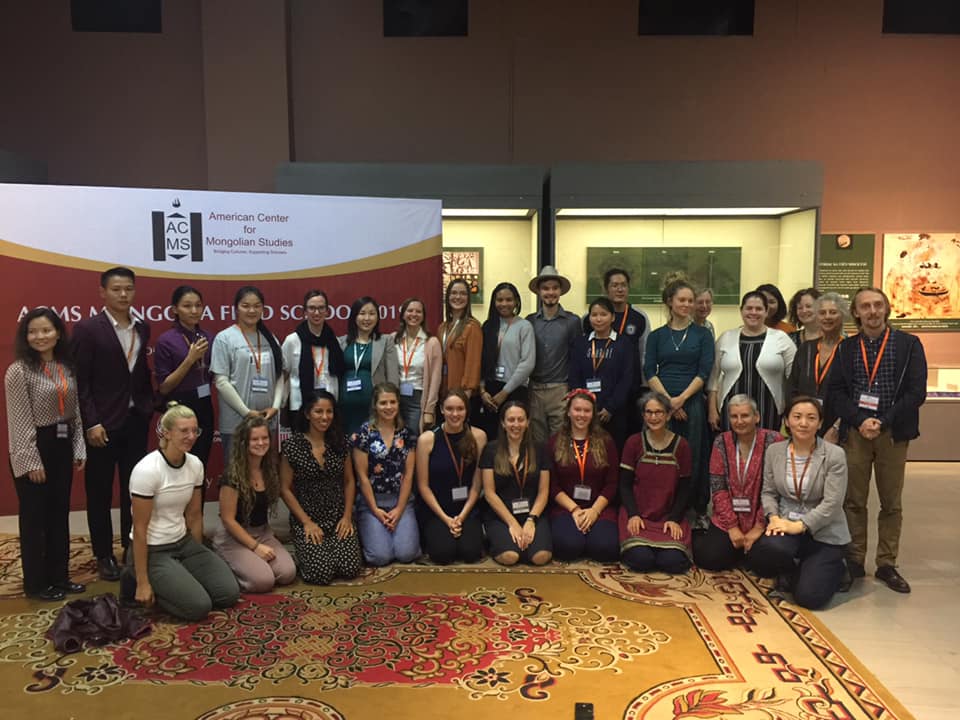
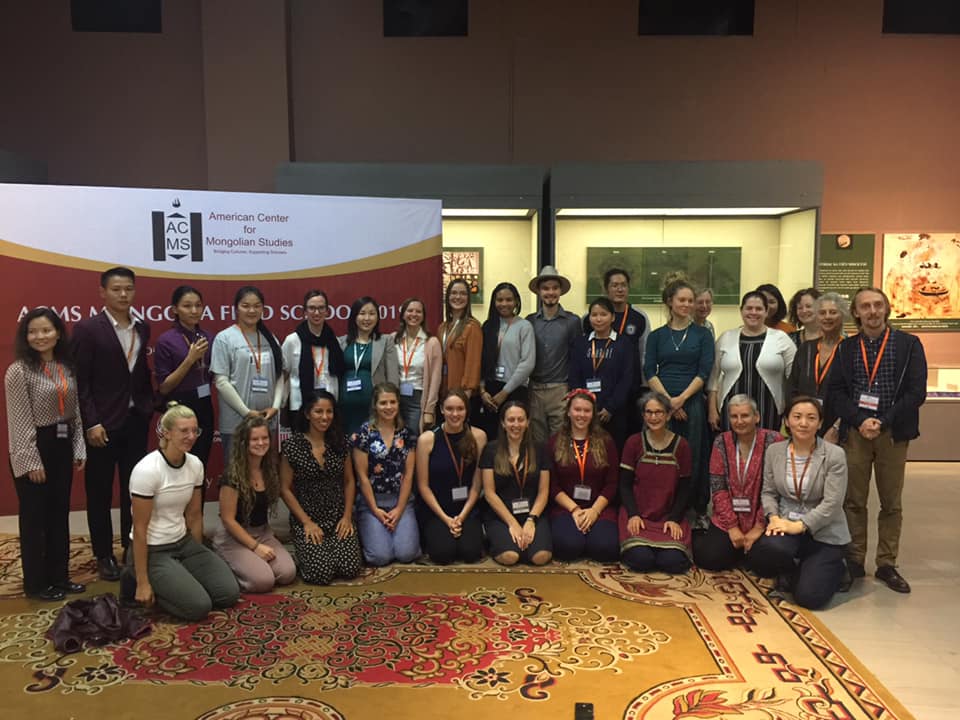
I made it to Ulaanbaatar on July 27th to first join the American Center for Mongolian Studies’ summer field school project on the topic of Migration and Livelihoods in Mongolia. The first annual interdisciplinary Mongolia Field School has been hosted in Ulaanbaatar and field sites near Lake Hovsgol in northern Mongolia.
My interests for joining the field school were the following: while migration can be seen in the landscape and in geographies, understanding challenges, hopes and decision-making processes that informs migration in Mongolia is fundamentally an anthropological work. That is: understanding people’s behaviors, motivations and choices provides insights into what is reflected in the landscape. People become both part of the landscape, and in return contribute to the making of spaces. I was eager to study forms of development and urbanization with regards to improving migrant access to services. I was curious to see which theories of development drive planning in Ulaanbaatar, and if they are culturally relevant or written within a neoliberal framework. I was also curious to see how traditional Mongolian housing co-exist with, and are re-invented in an urban setting. Overall, migration and urbanization of rural semi-nomadic peoples has serious geographical and cultural implications that can only be understood when considered hand in hand. Above all, I was curious to learn about Mongolia’s rich cultural heritage, diverse groups of peoples and minority groups, horse-culture and nomadic practices, contemporary migration practices, and religious traditions.
 PASSEGGIO